

The Hidden Costs of Floating: Annual Salt & Electricity Breakdown
Understanding the true annual costs of salt, electricity, and maintenance for home float tanks
Key Takeaways
- Salt costs add up significantly: Home float tanks require 400-1,000 pounds of Epsom salt initially, costing $200-500, with annual replacement needs of 100-200 pounds ($50-100).
- Electricity is the biggest ongoing expense: Float tanks consume 3,000-8,000 kWh annually for heating and filtration, translating to $400-1,200 per year in most regions.
- Water heating dominates energy usage: Maintaining precise 94°F water temperature accounts for 70-80% of total electricity consumption, especially in colder climates.
- Usage frequency directly impacts costs: Daily floaters can expect 50-100% higher operating costs compared to weekly users due to increased filtration and heating cycles.
- Regional variations matter: Cold climates and high electricity rates can double annual operating costs compared to warmer regions with cheaper power.
Featured Products



The Real Cost of Epsom Salt: Beyond the Initial Fill

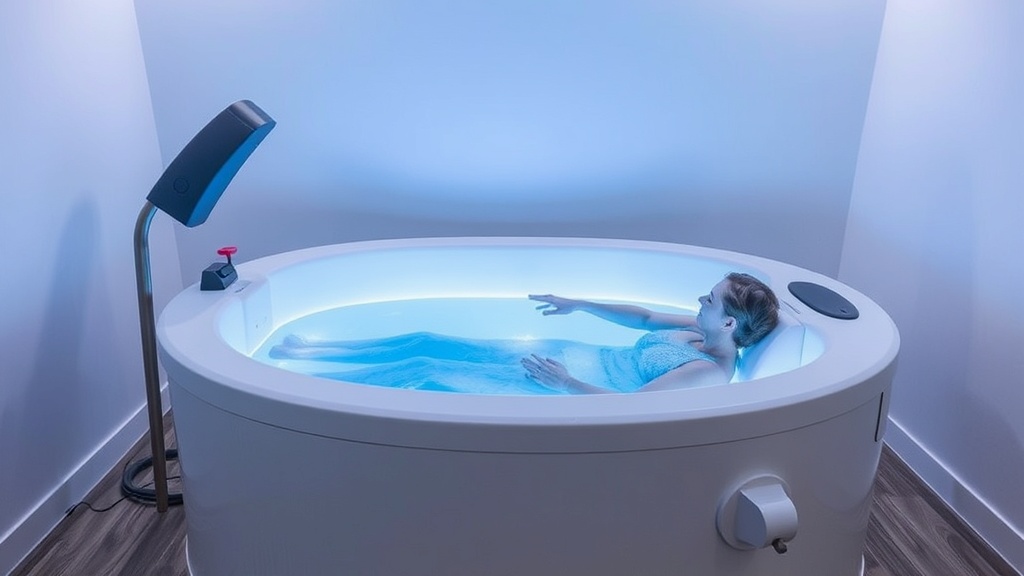
Most people focus on the upfront equipment cost when budgeting for a home float tank, but salt represents one of the most underestimated ongoing expenses. A standard residential float tank holds 150-300 gallons of water, requiring an extraordinary amount of Epsom salt to achieve the necessary 25-30% concentration for proper floating.
Initial Salt Investment
The initial fill requires 400-1,000 pounds of pharmaceutical-grade Epsom salt, depending on your tank size. At current wholesale prices of $0.50-0.80 per pound for food-grade magnesium sulfate, you're looking at $200-500 just to get started. Many newcomers underestimate this because they think in terms of the small bags sold at pharmacies, which would cost thousands of dollars.
Annual Replacement Needs
Here's where it gets tricky. Even with proper filtration, you'll need to replace 20-40% of your salt annually due to various factors. Salt gets carried out on users' skin, some dissolves beyond useful concentration through repeated dilution from fresh water additions, and periodic deep cleaning requires complete water changes. This translates to 100-200 pounds of replacement salt yearly, costing $50-100.
Quality Matters for Long-Term Costs
Buying cheap salt initially often backfires. Lower-grade magnesium sulfate contains impurities that cloud the water faster, requiring more frequent changes and actually increasing your annual salt costs. Pharmaceutical or USP-grade salt stays cleaner longer, reducing replacement frequency and maintaining better water quality between changes.
Electricity Usage: The Hidden Monthly Bill Shock

Electricity represents the largest ongoing operational cost for home float tanks, often catching owners off guard with monthly bills that jump $50-150. The combination of continuous water heating, powerful filtration systems, and UV sterilization creates an energy-hungry setup that runs 24/7.
Water Heating: The Biggest Energy Draw
Maintaining water at exactly 94°F requires constant energy input, especially since the high salt concentration affects heat retention differently than regular water. Most float tanks use 3-5 kW heaters that cycle frequently throughout the day. In colder climates, these heaters can run 12-16 hours daily during winter months, consuming 36-80 kWh per day just for temperature maintenance.
Filtration and Circulation Systems
The filtration pump typically draws 1-2 kW and runs continuously or on frequent cycles to maintain water clarity. UV sterilization systems add another 100-400 watts of constant draw. Combined, these systems can consume 30-50 kWh daily, depending on tank size and usage patterns.
Regional Cost Variations
Your location dramatically affects annual electricity costs. States with expensive electricity like Hawaii ($0.30+ per kWh) or California ($0.25+ per kWh) can see annual float tank electricity costs reaching $1,500-2,000. Meanwhile, areas with cheap power like Louisiana or Washington state might only pay $300-500 annually for the same usage patterns. Cold climates add another layer of expense, as tanks work harder to maintain temperature when ambient air is significantly cooler.
How Usage Frequency Impacts Your Annual Costs
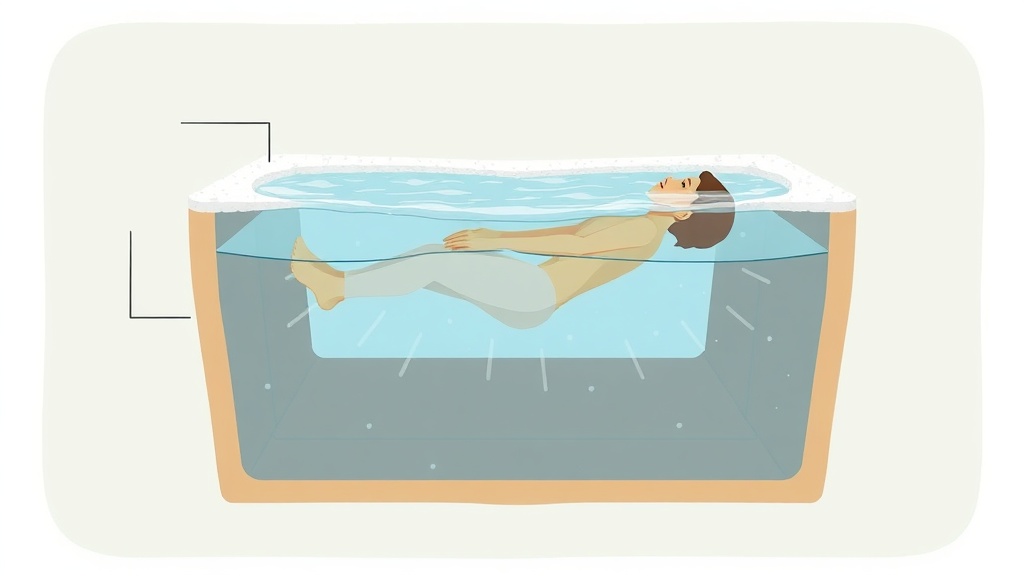
The relationship between usage frequency and operating costs isn't linear. While you might expect daily floating to simply double your expenses compared to every-other-day use, the reality involves complex interactions between heating cycles, filtration demands, and water chemistry maintenance.
Daily Users: The Cost Premium
Daily floaters face the highest per-session costs due to accelerated system wear and constant demand for fresh, heated water. Each entry introduces body oils, dead skin, and trace contaminants that require extra filtration cycles. The tank's heating system also works harder to recover temperature after each session, especially if back-to-back floating occurs. Daily users typically see 60-90% higher electricity costs and 30-50% more salt replacement needs compared to moderate users.
Weekly Floating: The Sweet Spot
Weekly sessions represent the most cost-effective usage pattern for home float tanks. The system has time to naturally stabilize between uses, heating cycles become more efficient, and water chemistry remains stable longer. Weekly floaters often achieve the best cost-per-session ratio, with annual operating costs typically ranging $500-800 including both salt and electricity.
Occasional Use Creates Hidden Costs
Ironically, using your float tank only monthly or less frequently can drive up per-session costs significantly. The tank still requires continuous heating and filtration to prevent bacterial growth and maintain water quality, but these fixed costs get spread across fewer sessions. Additionally, stagnant water develops issues faster, potentially requiring more frequent water changes and chemical adjustments.
Cost Optimization Strategies That Actually Work

Smart float tank owners can significantly reduce annual operating costs through strategic modifications and operational changes. These aren't just theoretical savings but proven methods that can cut your yearly expenses by 20-40% without sacrificing the floating experience.
Insulation Upgrades Pay for Themselves
Adding extra insulation around your tank and plumbing reduces heating costs dramatically. A $200-400 investment in high-quality foam board insulation and pipe wrapping can cut heating electricity usage by 25-35%. The payback period is typically 12-18 months, after which it's pure savings. Focus on the tank bottom and sides, as heat loss through these surfaces accounts for most wasted energy.
Smart Temperature Management
Installing a programmable thermostat designed for spa applications allows you to lower water temperature during unused periods without affecting your floating experience. Dropping the temperature 2-3 degrees overnight or during work hours can reduce heating costs by 15-20% annually. The key is timing temperature recovery to complete 30 minutes before your planned float session.
Strategic Water Management
Rather than full water changes every few months, consider partial water changes more frequently. Replacing 25-30% of the water monthly maintains better water quality while preserving more of your expensive salt. This approach often extends the time between complete drain-and-refill cycles from 3 months to 4-5 months, reducing annual salt costs by 20-25%.
Group Sessions and Scheduling
If multiple household members float, scheduling back-to-back sessions minimizes heating recovery time and maximizes efficiency. The tank only needs to reheat once after multiple sessions instead of cycling up and down between individual uses throughout the week. This simple scheduling change can reduce electricity costs by 10-15% for multi-user households.
Frequently Asked Questions
How much does it cost to fill a float tank with salt initially?
Initial salt costs range from $200-500 depending on tank size. You'll need 400-1,000 pounds of pharmaceutical-grade Epsom salt to achieve proper 25-30% concentration. Buying in bulk from pool supply companies or directly from manufacturers offers the best pricing, typically $0.50-0.80 per pound compared to $2-4 per pound at retail stores.
What's the average monthly electricity bill increase from a home float tank?
Expect your monthly electricity bill to increase by $35-120, depending on your local rates, climate, and usage patterns. The tank's heater and filtration system typically consume 3,000-8,000 kWh annually. In expensive electricity markets like California or Hawaii, monthly increases can reach $150-200, while cheap power regions might only see $30-50 increases.
How often do I need to replace the salt in my float tank?
You'll typically replace 20-40% of your salt annually through normal use and maintenance. This means adding 100-200 pounds of fresh salt per year, costing $50-100. Complete water changes every 3-4 months require full salt replacement, but partial water changes can extend salt life significantly while maintaining water quality.
Does floating daily double my operating costs?
Daily floating increases annual costs by 60-90%, not quite double but significant. The extra expense comes from increased filtration cycles, more frequent heating recovery, faster salt depletion, and accelerated water chemistry changes. Weekly floating offers the best cost-per-session ratio, while daily use creates the highest per-session expenses.
Can I reduce costs by using regular salt instead of Epsom salt?
No, regular table salt or pool salt won't work for floating. Epsom salt (magnesium sulfate) is essential for achieving proper buoyancy and providing therapeutic magnesium absorption. Regular sodium chloride is corrosive to equipment and doesn't create the same floating properties. Using incorrect salt types will damage your tank and create safety issues.
How much can insulation reduce my float tank electricity costs?
Proper insulation can reduce heating electricity consumption by 25-35%, translating to $100-400 annual savings depending on your climate and local rates. The initial investment of $200-400 for quality insulation materials typically pays for itself within 12-18 months. Focus on insulating the tank bottom, sides, and all connecting pipes for maximum efficiency.
Are there seasonal variations in float tank operating costs?
Yes, winter months typically increase electricity costs by 30-50% in colder climates due to increased heating demands. Summer costs are lower as ambient temperatures help maintain water temperature. Southern regions see less seasonal variation, while northern climates with harsh winters can see dramatic cost swings between seasons.
What's the total annual cost to operate a home float tank?
Total annual operating costs typically range from $600-1,500, including salt replacement ($50-100), electricity ($400-1,200), and basic maintenance supplies ($50-200). Your specific costs depend on usage frequency, local electricity rates, climate, and tank efficiency. Daily users in expensive electricity markets can exceed $2,000 annually, while moderate users in cheap power regions might spend only $500-700.
Related Articles
Ultimate Guide to Float Tanks
Your complete guide to sensory deprivation and flotation therapy.
Shop Home Float Tanks
Browse our collection of home float tanks and pods.
Wellness Hub
Explore all our wellness guides and resources.
