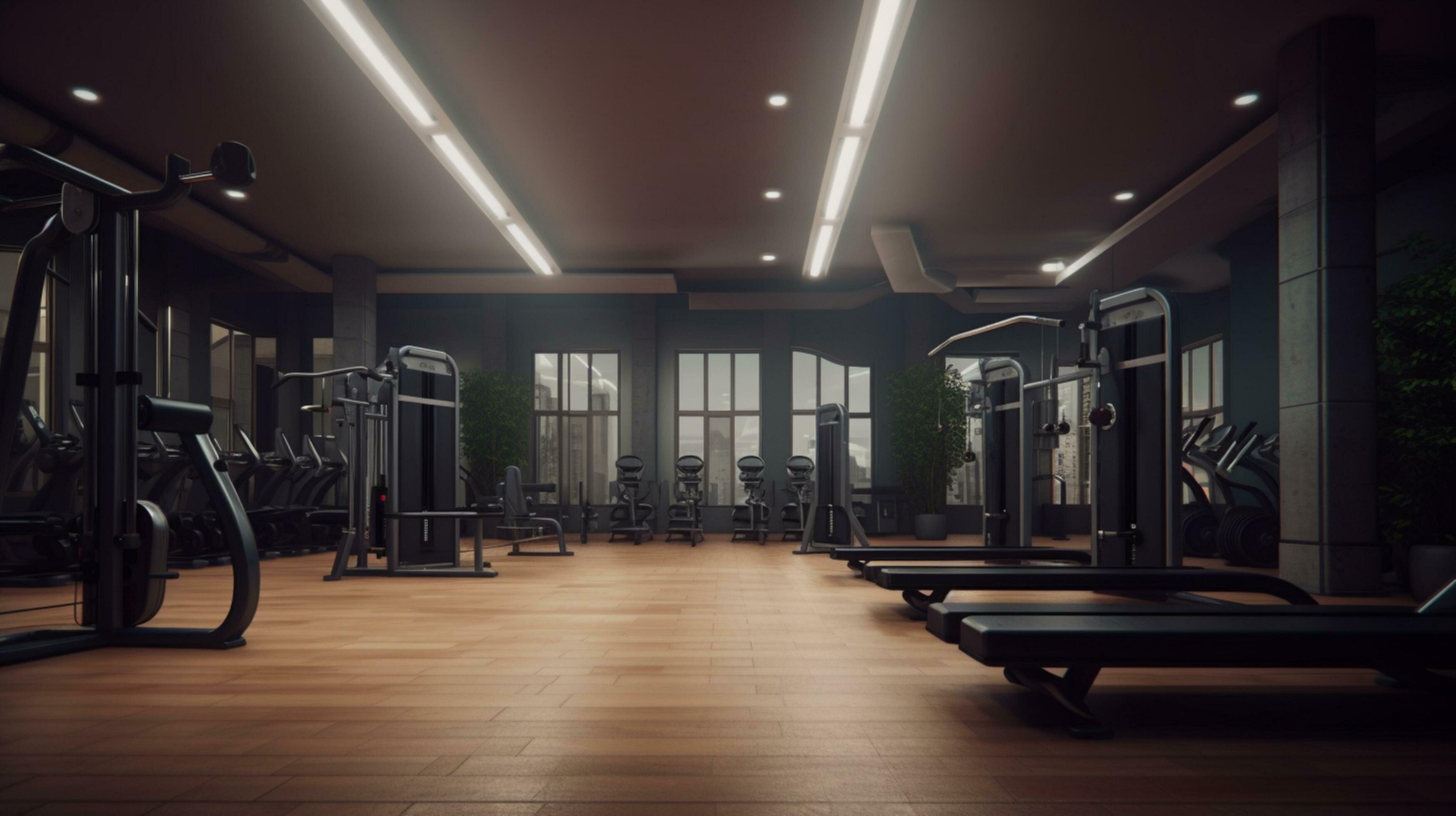
Racks & Cages
Build your home gym around commercial-grade power racks and squat racks. From full cages with pull-up bars to space-saving folding wall mounts and budget-friendly half racks, our racks provide safety, versatility, and durability for progressive barbell training. Perfect for squats, bench press, pull-ups, dips, and accessory exercises.
Strengthen safely at home with power racks and squat racks—full cages, folding wall systems, and half racks supporting squats, bench press, pull-ups, and more in any space.


Power Racks & Squat Racks — Foundation of Safe Strength Training
Build your home gym around commercial-grade power racks and squat racks. From full power cages with pull-up bars to space-saving folding wall-mount systems and budget-friendly half racks, equip your training space with the safety and versatility for progressive barbell strength.

Frequently Asked Questions
What's the difference between a power rack and squat rack?
How much space do I need for a power rack?
What weight capacity do I need?
Do I need to bolt my power rack to the floor?
What's Westside hole spacing and do I need it?
Can I do pull-ups and dips on a power rack?
What attachments can I add to a power rack?
Are folding racks as strong as traditional power racks?
What safety features should I look for?
Can I bench press safely alone in a power rack?
What's the difference between 2x2, 2x3, and 3x3 inch tubing?
Do power racks come with warranties?
Featured Power Racks & Squat Racks


Power Rack & Squat Rack Buying Guide
Choose Rack Type
- Full Power Cage: Four-post enclosed design with pull-up bar overhead—maximum versatility for squats, bench, pull-ups, and cable attachments.
- Half Rack: Two-post design with rear stabilizers—essential safety at lower cost, ideal for space-conscious home gyms focused on core lifts.
- Folding Racks: Wall-mounted systems fold to 5 inches—perfect for garages and shared spaces needing full capacity with minimal footprint.
Size & Capacity
- Space Requirements: Full cages need 4x6 ft floor space with 8-ft ceilings. Half racks require 4x4 ft. Measure doorways and ceiling height before ordering.
- Weight Capacity: Quality racks support 1,000+ lbs. Choose capacity double your max lifts allowing years of strength progression without limits.
- Hole Spacing: 1-inch Westside spacing through working range enables precise bar positioning—critical for proper form and safety arm setup.
Features & Setup
- Construction: 2x3 or 3x3 inch steel tubing with 11-gauge walls provides optimal strength and attachment compatibility for serious training.
- Installation: Free-standing racks bolt to platforms. Wall-mounted racks require lag bolts into studs. Professional installation recommended for folding systems.
- Accessories: Budget for J-cups, safety arms, dip attachment, and band pegs—essential additions enabling complete training versatility.
Key Benefits of Quality Power Racks
Solo Training Safety
Adjustable safety spotter arms catch failed reps during squats and bench press eliminating spotter requirements. Train to failure safely building maximum strength alone in home gyms without compromising safety or progress. Essential for progressive overload training.
Complete Exercise Library
Power cages support squats, bench press, overhead press, pull-ups, dips, rack pulls, and hundreds of accessory movements. Single rack replaces multiple machines providing comprehensive training versatility for full-body development and varied programming.
Space-Efficient Options
Folding wall-mounted racks collapse to 5 inches between workouts ideal for garages and shared spaces. Half racks provide essential functionality with reduced footprint. Choose rack styles matching available space without sacrificing training capacity.
Expandable Systems
Add dip bars, cable systems, landmines, band pegs, and plate storage as training evolves. Quality racks from PRx and Steelflex offer extensive accessory ecosystems transforming basic racks into complete training stations supporting progressive programming.
Compare Power Racks & Squat Racks
| Rack Type | Best For | Key Features | Price Range | Shop |
|---|---|---|---|---|
| PRx Folding Squat Rack | Space-limited garages, shared rooms | Wall-mount, 1,000+ lb capacity, 5" fold | $1,399+ | View Details |
| PRx Folding Full Cage | Complete training, maximum versatility | Four-post cage, folds flat, pull-up bar | $1,799+ | View Details |
| Steelflex Power Rack | Traditional gym setup, commercial use | 3x3" tubing, monkey bar options, heavy-duty | $1,899+ | View Details |
| PRx Half Rack | Core lifts, budget-conscious training | Two-post design, reduced footprint, stable | $1,099+ | View Details |
| PRx 6-Post Rack | Heavy commercial applications | Six-post stability, maximum capacity | $2,499+ | View Details |
| PRx Profile ONE | Entry-level home gym, basic training | Compact squat rack, pull-up bar, folding | $899+ | View Details |
Delivery & Setup
Power racks ship via freight due to size and weight. Most carriers deliver curbside—plan for moving rack components into gym space. Racks arrive in multiple boxes weighing 50-150 pounds each requiring two people for safe handling.
Measure doorways, hallways, and stairwells before ordering. Full power cages arrive in boxes up to 90 inches long. Confirm path from delivery location to gym space accommodates box dimensions—unboxing and carrying components individually may be necessary.
Plan 3-6 hours for assembly with two people. Basic hand tools required—wrenches, socket set, level. Wall-mounted racks need stud finder, drill, and proper lag bolts. Follow manufacturer instructions precisely ensuring all bolts torqued properly for safety and stability.
Check rack stability before first use. Verify all bolts tightened per specifications. Test J-cups and safety arms at multiple heights. For wall-mounted racks, confirm secure stud mounting. Perform weight test with spotter present before solo training sessions.
Care, Warranty & Shipping
Quality power racks require minimal maintenance delivering decades of reliable training with basic care. Wipe down uprights and attachments monthly removing chalk dust, sweat, and grime that can degrade powder coat finishes over time. Check bolt tension quarterly especially on wall-mounted racks and newly assembled equipment—bolts may loosen during initial break-in period requiring re-torquing. Inspect J-cup liners and safety arm padding annually replacing worn UHMW plastic preventing barbell damage. Lubricate pull-up bar sleeves if rotation becomes stiff. Store indoors protecting powder coat and steel from moisture. Never leave weight loaded on J-cups or safety arms when not training—constant load can cause sagging over years. Power racks typically include lifetime structural warranties on frames with 1-5 year warranties on accessories and moving parts. PRx folding mechanisms carry extended warranties. Commercial-grade construction from Steelflex features comprehensive warranty coverage. Warranties exclude misuse, modifications, and outdoor installation. Racks ship freight with 1-3 week delivery timelines. Signature required at delivery. Professional installation available for wall-mounted systems. See product pages for specific warranty terms and assembly requirements ensuring maximum equipment longevity.